Engineering
Why Thermal Management Matters in LED Bulbs and Smart Lighting
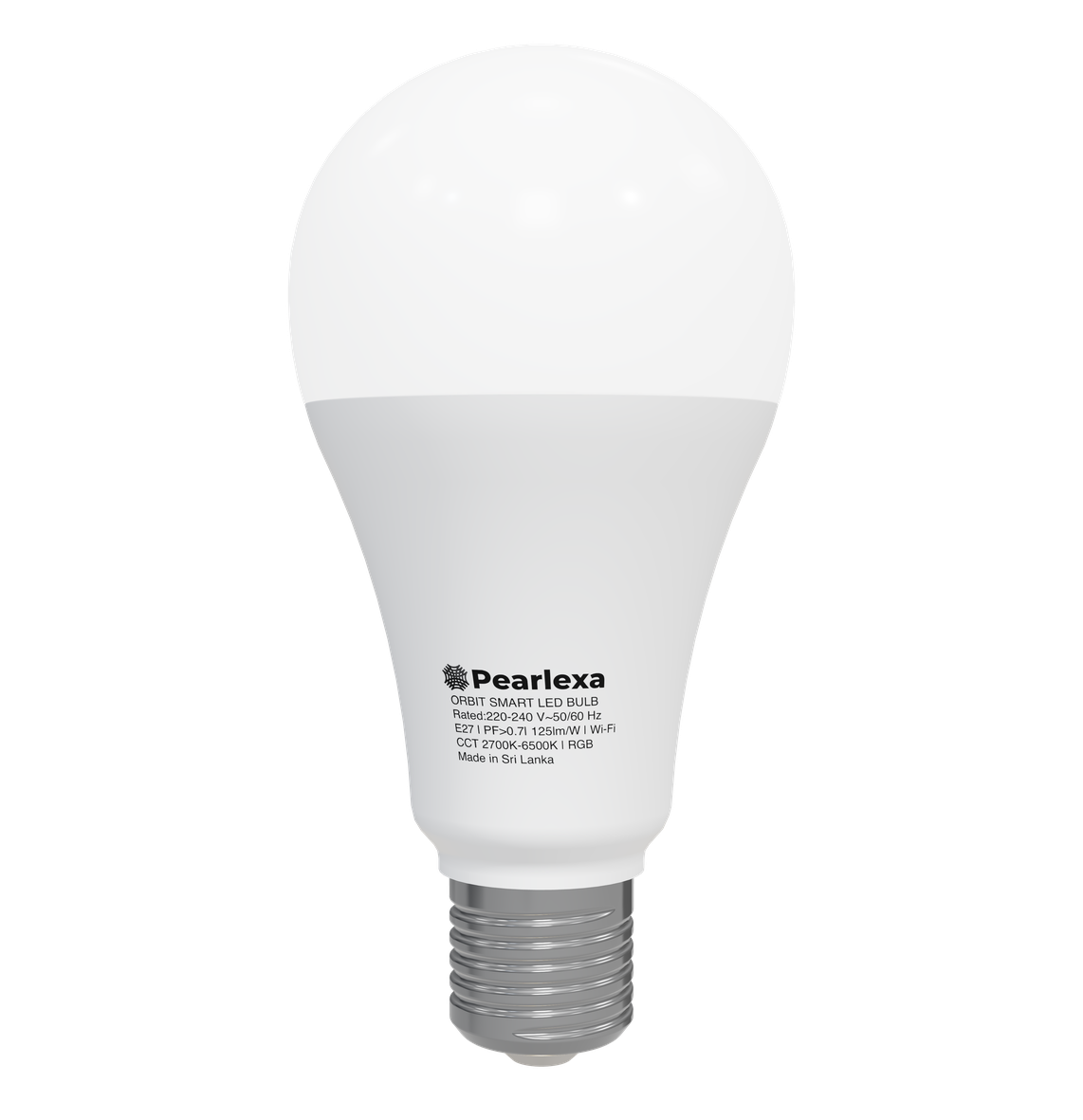
A smart bulb is a compact power supply, LED engine, radio and computer living in a warm enclosure. Thermal engineering is therefore part of product reliability, not a cosmetic detail.
Key takeaways
- Heat affects LEDs, power electronics, capacitors, plastics and radio electronics inside a smart bulb.
- A component endurance rating is not the same thing as a guaranteed product lifetime.
- Using more LED emitters can reduce loading per emitter, but the complete thermal path still determines temperatures.
- Good thermal engineering is validated at product level under defined operating conditions, not inferred from one component specification.
A smart bulb is a compact electronic system
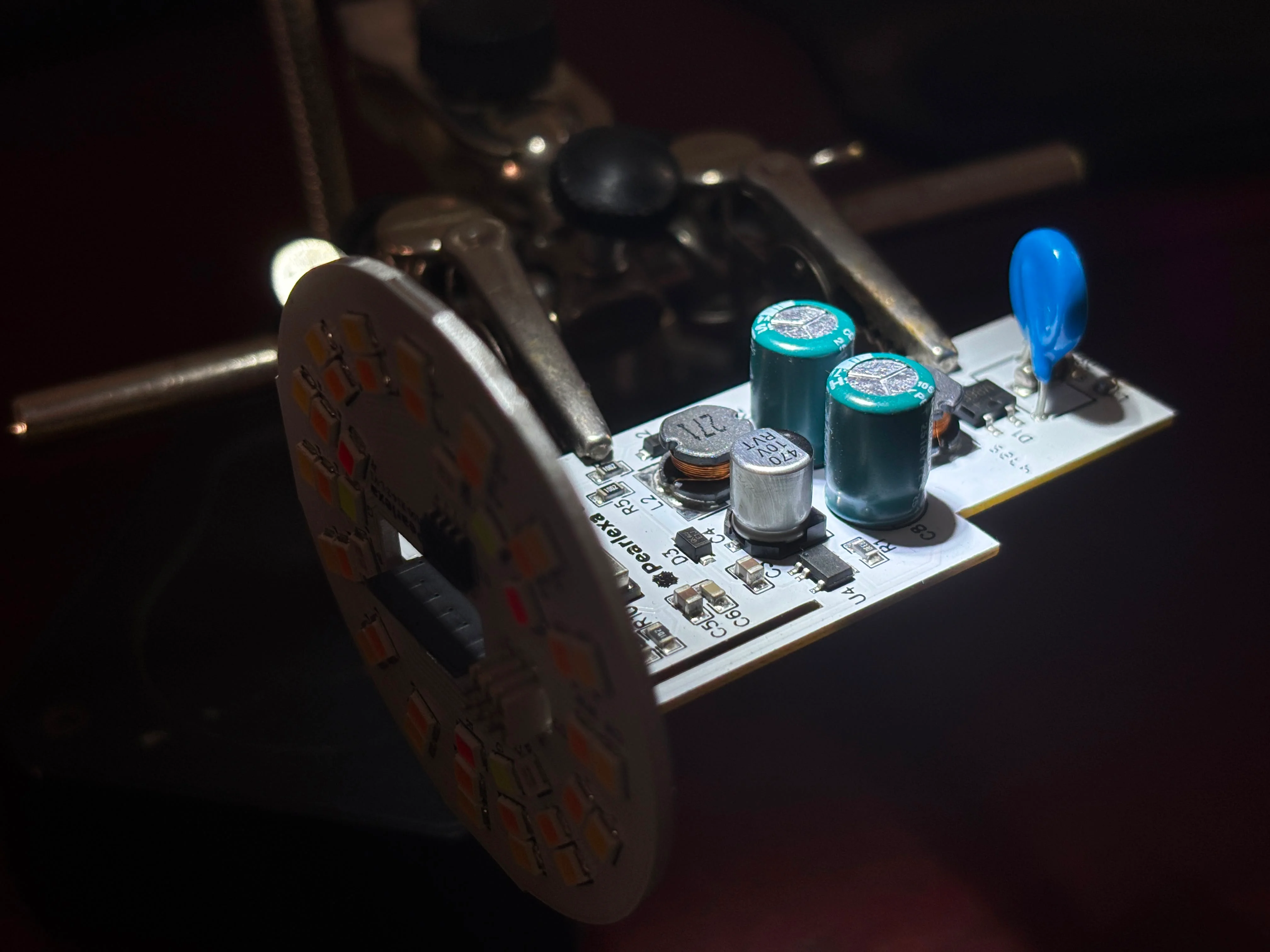
Inside a connected LED lamp, electrical power is converted and regulated, LEDs generate light and heat, a microcontroller runs firmware, and wireless electronics communicate with the network. All of those functions are packed into a small enclosure with limited surface area for rejecting heat.
That makes thermal design a system problem. The temperature of one component is influenced by LED power, driver losses, ambient temperature, enclosure geometry, airflow, fixture type and how long the lamp has been operating.
Why spreading LED load can help
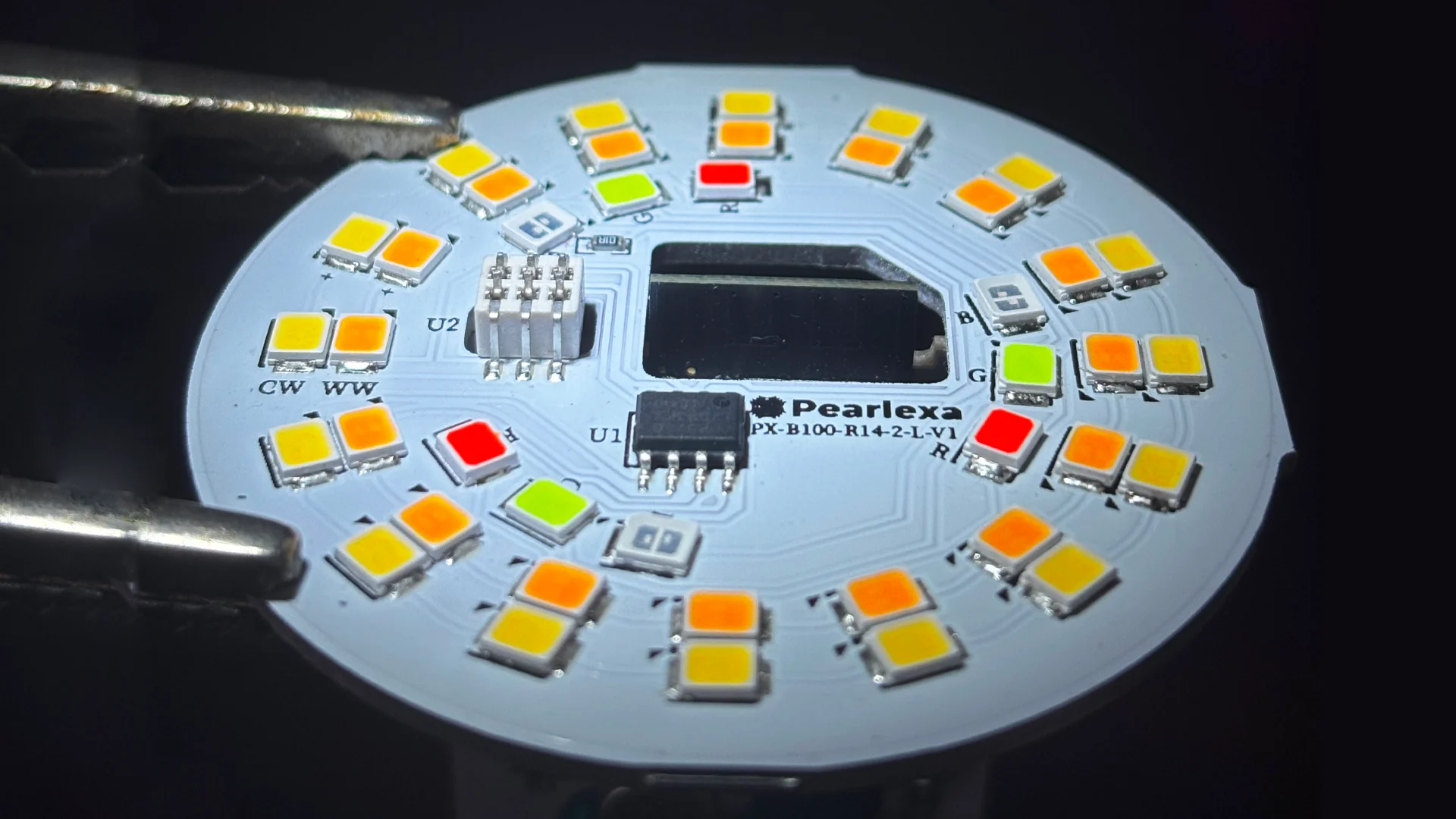
One design approach is to distribute the required light output across more LED emitters rather than driving a smaller number of emitters harder. Lower per-emitter loading can reduce local thermal stress and may improve efficacy, depending on the LED operating point and optical design.
It is not a universal rule that 'more LEDs automatically means longer life'. The board material, thermal path, drive current, junction temperature and total system power still matter. Pearlexa therefore treats LED count as one design variable rather than a standalone lifetime claim.
Capacitor ratings need context
Electrolytic capacitors are common temperature-sensitive components in LED power electronics. A capacitor may carry an endurance rating such as a stated number of hours at a stated maximum temperature. That rating describes a component test condition; it is not a direct statement that the finished lamp will fail at that hour count or last exactly that long.
Real product life depends on the actual temperature and electrical stress seen in operation. That is why Pearlexa product content describes the component rating separately from the 3-year product warranty and separately from any future measured lifetime data.
Specification discipline
Component rating, product warranty and predicted product lifetime are three different things. They should not be presented as interchangeable numbers.
Thermal validation should be done on the assembled product
A useful thermal test considers the fully assembled lamp, a defined ambient condition, operating mode, orientation and enough time for temperatures to stabilise. Measurements can then be compared with component limits and design targets.
Publishing every sensor location, internal limit, PCB stack-up or control algorithm would reveal unnecessary proprietary detail. The customer-facing goal is instead to publish the product rating, the conditions behind important claims and, where useful, representative measured results.
How Pearlexa balances transparency with intellectual property
Pearlexa can show real engineering samples and explain why thermal design matters without publishing the complete circuit, firmware, bill of materials or manufacturing package. That distinction allows customers to see that there is real engineering behind the product while preserving the implementation details that differentiate the design.
Future Pearlexa engineering notes will follow the same approach: publish useful outcomes, test methodology at an appropriate level and original evidence, while keeping trade secrets and security-sensitive implementation private.
Read the Pearlexa editorial & IP policyEditorial & intellectual-property note
This article explains public product characteristics and general engineering principles. Pearlexa does not publish confidential schematics, source code, security keys, proprietary protocols, manufacturing tolerances or unpublished design files. Text and original Pearlexa imagery are © Pearlexa Pvt Ltd unless otherwise stated.
Read our editorial policy